

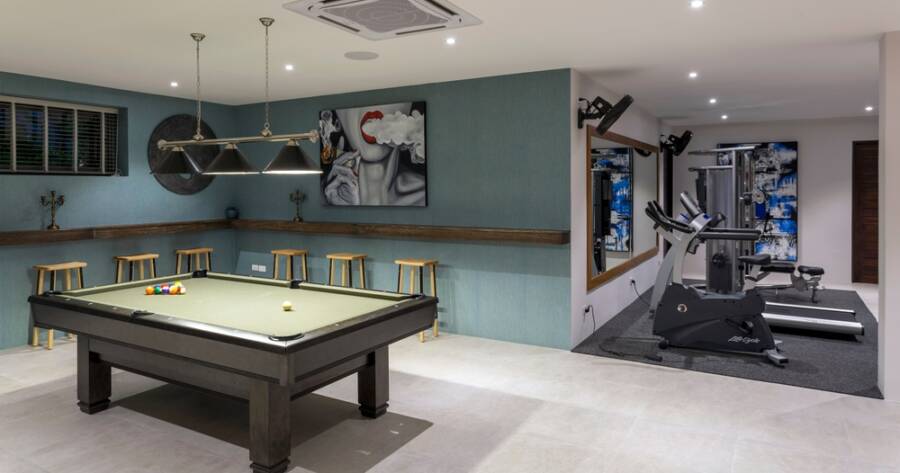
In today’s world, our homes are working harder than ever. Living rooms are doubling as offices, kitchens as classrooms, and spare corners as mini gyms. Whether you’re living in a small apartment or a spacious home, the trend of multi-functional design is reshaping how we think about space. Welcome to the era of dual-purpose living—where smart layouts, flexible furniture, and intentional design allow each square foot to serve more than one role. The best part? It’s not about sacrifice—it’s about creativity, efficiency, and comfort.
1. Why Dual-Purpose Spaces Matter
With remote work, home schooling, and urban living on the rise, people are demanding more from their homes than ever before. But rather than expanding out, the key is to think smarter inside.
Multi-functional spaces are about making a home more adaptive, fluid, and supportive of your lifestyle. It’s not just for tiny homes—dual-purpose design works in any home that wants to feel more intentional and less cluttered.
2. Rethink the Room Labels
Who says a room has to be just one thing? A guest bedroom can double as a home office. A dining room can become a creative studio. A hallway can serve as a library or reading nook.
The first step is to reframe how you define space. Ask yourself:
- How often is this room being used?
- Could it serve a second purpose more regularly?
- What kind of storage or furniture would make that possible?
The goal is to make your space work harder—without feeling overworked.
3. Smart Furniture Is a Game-Changer
The backbone of any successful multi-use space is furniture that adapts. Look for items that are foldable, movable, expandable, or that serve dual roles themselves.
Some favorites:
- Murphy beds or daybeds that fold away to open up floor space
- Drop-leaf or extendable tables that shift from desk to dining
- Storage ottomans or benches that hide clutter while adding seating
- Wall-mounted desks or fold-down workstations for compact office setups
These small-scale solutions offer flexibility without the footprint, perfect for homes where every inch counts.
4. Create Zones Within a Single Space
Open-concept homes are common, but they often need clear zones to separate functions. Use visual cues to define different areas:
- Area rugs to distinguish a living space from a workspace
- Bookshelves or folding screens to create physical dividers
- Lighting choices (like a pendant over a dining area vs. a floor lamp in a lounge zone)
You can even use paint colors or wallpaper to visually separate sections without closing off the room.
5. Don’t Underestimate Storage
Storage is the unsung hero of dual-purpose design. When a space is performing more than one job, clutter can pile up quickly. That’s why it’s essential to have designated, accessible storage solutions for each “mode” of the room.
Use labeled bins, baskets, or drawers to tuck away supplies
Try vertical storage to keep floor space open
Rotate out seasonal or rarely used items to avoid overcrowding
Well-managed storage makes the transitions between uses seamless and stress-free.
6. Add Style Without Losing Function
Just because a room is functional doesn’t mean it has to look utilitarian. Multi-use spaces can still feel cohesive, beautiful, and personalized.
Use consistent color palettes, layered textures, and artwork that complements both uses of the room. Choose furniture that’s as stylish as it is practical, and don’t be afraid to blend function with flair.
Space That Works With You
Designing for dual purpose isn’t just a trend—it’s a smart, sustainable way to live. By blending function with design, and reimagining what each space can do, you’ll create a home that grows and adapts with you.
Whether you’re optimizing a tiny studio or adding flexibility to your family home, multi-functional design is all about making your home work smarter, not harder.